



Our Commitment
Operational Excellence
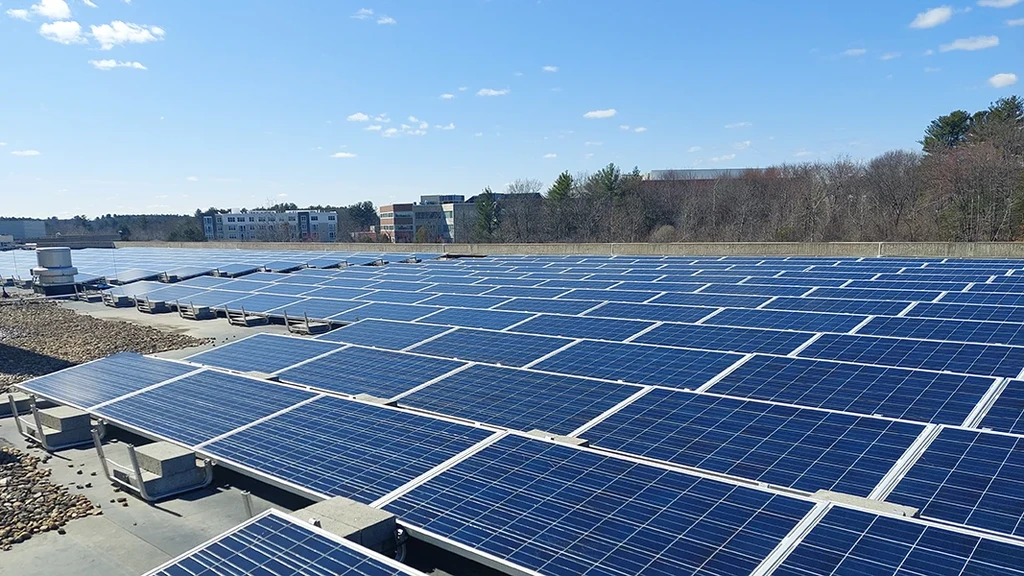
We are committed to addressing the environmental footprint of our own operations. We do this through the management of our inputs: materials, energy, and water; and our outputs: greenhouse gas emissions and material waste. Initiatives include lab and building efficiency upgrades, cloud operations, renewable energy sourcing (see photo of rooftop solar at Westford HQ), EV charging, and waste circularity options.
Sustainable Products
Demonstrating product leadership through sustainability-by-design is a cornerstone of our sustainability efforts. Our system design and product design processes incorporate sustainability-by-design principles throughout with the goal of minimizing the environmental impact of our products.
Serving Customers
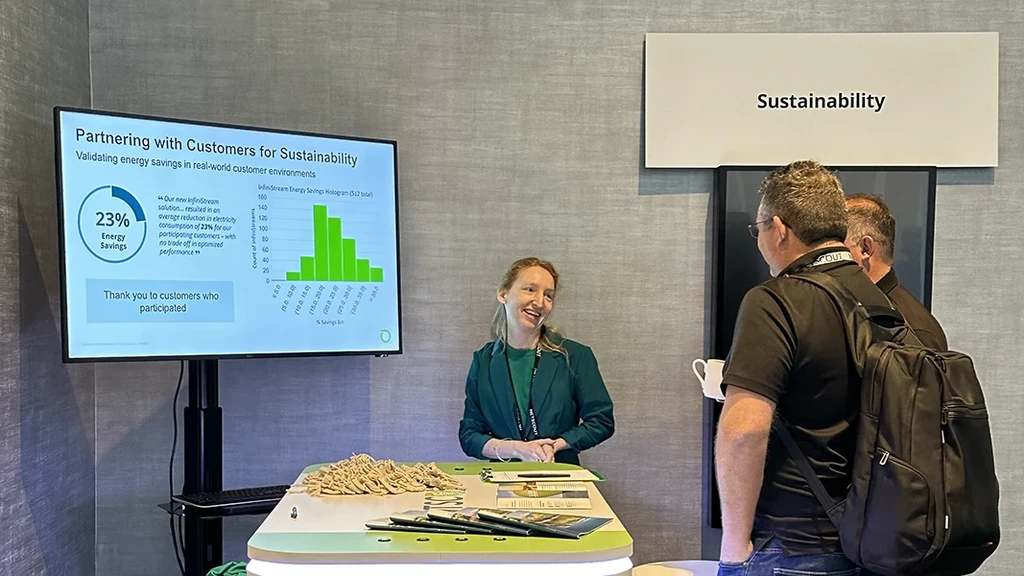
As a software company with significant expertise in hardware, the energy efficiency of our products is one of our top priorities. We work with our suppliers and customers to design and validate improvements to the energy efficiency of our products to help our customers meet their own energy reduction goals.
Science-Based Targets
We believe that setting ambitious goals and holding ourselves accountable is essential for making meaningful progress toward a low-carbon, resource-efficient future. To learn more, visit our latest Impact Report.

Sustainability in Action
Putting Principles Into Practice
NETSCOUT’s approach to sustainability is anchored by robust systems, processes, and policies to ensure effective governance and continuous improvement.
Visibility
- Global greenhouse gas emissions tracking, energy usage, water, and business travel miles
- Continuously improving indirect emissions tracking, including purchased goods and services, product use, and waste
Control
- Emissions and energy use reduction projects for operations and products
- Waste reduction and handling process improvements
- Engage with customers to optimize product systems for sustainability
Transparency
- Targets and metrics shared via Impact Report and SBTi
- Share with the Carbon Disclosure Project (CDP), and Ecovadis, two resources for customers
- Policies for disposal of electronics, labeling, chemicals of concern, etc.
Sustainability
Sustainability by Design
Our sustainability-by-design efforts consider operational impact and resources, including system and product design choices for minimal resource footprint.
- Suppliers: Environmental considerations in platform design and options - choose for longevity, reliability and efficiency
- System: Lifecycle screening assessments and architecture studies for optimizing the whole system from cradle to grave
- Hardware: Choices to minimize material resources, and optimize power efficiency
- Software: Energy as a tested performance metric, with support for energy-saving features
- Customers: Feedback energy measurements, configurations and platform choices for continuous improvement
Energy and Water
Investment in lab and building efficiency reduces energy and water consumption. We consider:
Global System Design:
- Consolidate lab sites to fewer, energy efficient locations
- Shift to cloud for select functions
- Improve tracking of devices and energy consumption to inform strategy
Lab Infrastructure Efficiency:
- Implement equipment consolidation, hardware relocation, and virtualization
- Optimize for thermal energy efficiency, separate hot/cold aisles, and improve power distribution efficiency
- Energy, rather than water, is used for cooling on-premise data center labs; cloud and co-location compute centers are evaluated for environmental sustainability
User Behaviors:
- Power off devices when not in use and enable sleep modes
- Delete data and retire equipment once no longer required
Climate Change
We are working with our customers, partners, and suppliers to reduce greenhouse gas emissions from our own operations and from our products, including efforts to help our customers meet their own climate-related goals. NETSCOUT is advancing a decarbonization plan that we believe will help us meet our SBTi targets. Regular climate risk assessments with scenario analysis help inform our climate transition strategy.
- Scope 1 (on-premise emissions): Reducing natural gas use at our highest-use locations; reducing vehicle use for relevant internal functions; and addressing hydrofluorocarbon (“HFC”) leaks from HVAC systems
- Scope 2 (electricity emissions): Increased power savings from deploying automated systems during the weekend; improved consolidation and efficiency of existing Engineering labs and other hardware infrastructure; continued efforts to reduce electricity consumption and associated GHG emissions by moving to energy efficient co-location and cloud server systems
- Scope 3 (upstream & downstream emissions): Product efficiency improvements for existing NetScout products, including the NetScout InfiniStream, which results in reduced electricity consumption and associated GHG emissions on an intensity basis. We completed screening-level lifecycle assessments for InfiniStream to identify ways to reduce the Scope 3 emissions from our products, and this process included obtaining footprint data from key suppliers. We have integrated power consumption testing into the design process for multiple product lines, such as InfiniStream, PFS, and Omnis Streamer.
Materials and Packaging
We look for opportunities to optimize packaging to reduce waste while continuing to prevent product damage. Maintaining and expanding recycling and composting initiatives at NETSCOUT facilities is also part of addressing our operational sustainability.
- Reduce single-use plastics in office cafeterias, keep manuals and reports digital to reduce paper waste, and implement recycling composting options at our largest sites
- Reduce, reuse, and recycle packaging for products, limit packaging material types to cardboard and plastic foam, and re-using packaging from suppliers where possible
- Partner with reputable e-Waste and laptop second-life organizations
- Support extended producer responsibility for recycling products at end of life
Visibility Without Borders
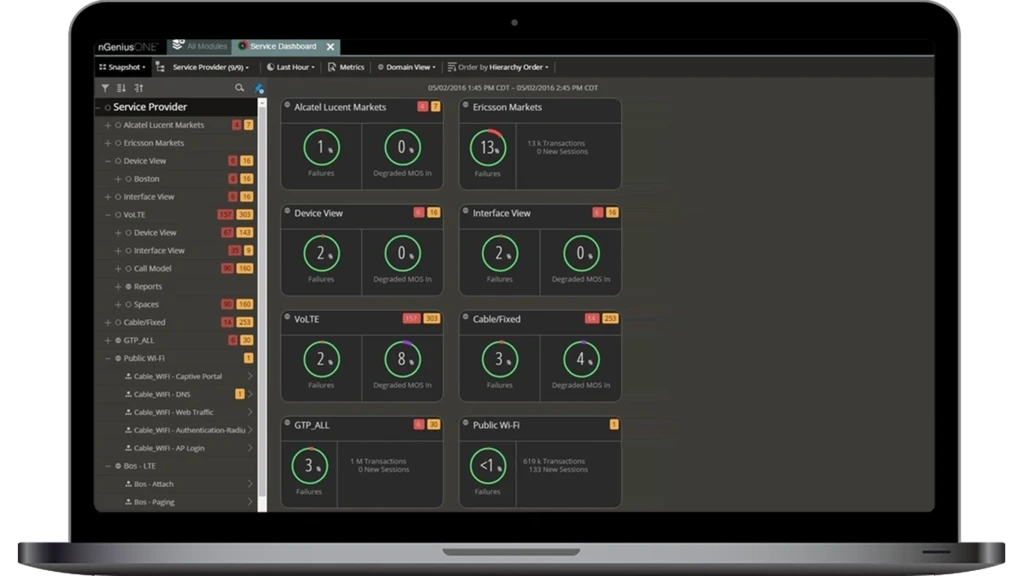
NETSCOUT has developed an internal sustainability dashboard to support data-driven decision-making. Automated updates with both human and AI reviews ensure that progress is transparent and aligned with both internal and external standards. We actively monitor the following sustainability key performance indicators:
- Greenhouse Gas Emissions: Scope 1, Scope 2, Scope 3
- Resources: Electricity, Fuel, Water
- Product Footprint: Software-Carbon Intensity, energy consumption, embodied emissions; packaging waste and materials
Supporting our customers, partners, and community on their sustainability journey includes:
- Product Impact: our products provide visibility to our customers, allowing them to improve the efficiency of their networks and reduce cyber events which waste energy and resources
- Engagement: sharing progress and innovations at our Sustainability Demo Booth at our Engage user conference
- Community: our volunteers participate in local nature-positive projects to support the environment
Science-Based Targets
NETSCOUT has set and is actively tracking near-term science-based targets for greenhouse gas (GHG) emissions reductions to drive our vision for a more sustainable future. These targets have been validated by the Science Based Target initiative (SBTi). Our targets and progress towards our targets are as follows:
| Emissions Category | Baseline FY2022 | FY2026 Reductions from Baseline | FY2030 Target Reductions from Baseline |
|---|---|---|---|
| Scope 1 | 760 mtCO2e | 33% | 57.4% Reduction |
| Scope 2 (Market-based) | 11,000 mtCO2e | 15% | 42.0% Reduction |
| Scope 3-11 (Product use economic intensity) | 91.4 mtCO2e / $million profit | 42% | 51.6% Reduction |
Sustainability by Design
Sustainability by Design
Sustainability by Design
Our sustainability-by-design efforts consider operational impact and resources, including system and product design choices for minimal resource footprint.
- Suppliers: Environmental considerations in platform design and options - choose for longevity, reliability and efficiency
- System: Lifecycle screening assessments and architecture studies for optimizing the whole system from cradle to grave
- Hardware: Choices to minimize material resources, and optimize power efficiency
- Software: Energy as a tested performance metric, with support for energy-saving features
- Customers: Feedback energy measurements, configurations and platform choices for continuous improvement
Energy and Water
Energy and Water
Energy and Water
Investment in lab and building efficiency reduces energy and water consumption. We consider:
Global System Design:
- Consolidate lab sites to fewer, energy efficient locations
- Shift to cloud for select functions
- Improve tracking of devices and energy consumption to inform strategy
Lab Infrastructure Efficiency:
- Implement equipment consolidation, hardware relocation, and virtualization
- Optimize for thermal energy efficiency, separate hot/cold aisles, and improve power distribution efficiency
- Energy, rather than water, is used for cooling on-premise data center labs; cloud and co-location compute centers are evaluated for environmental sustainability
User Behaviors:
- Power off devices when not in use and enable sleep modes
- Delete data and retire equipment once no longer required
Climate Change
Climate Change
Climate Change
We are working with our customers, partners, and suppliers to reduce greenhouse gas emissions from our own operations and from our products, including efforts to help our customers meet their own climate-related goals. NETSCOUT is advancing a decarbonization plan that we believe will help us meet our SBTi targets. Regular climate risk assessments with scenario analysis help inform our climate transition strategy.
- Scope 1 (on-premise emissions): Reducing natural gas use at our highest-use locations; reducing vehicle use for relevant internal functions; and addressing hydrofluorocarbon (“HFC”) leaks from HVAC systems
- Scope 2 (electricity emissions): Increased power savings from deploying automated systems during the weekend; improved consolidation and efficiency of existing Engineering labs and other hardware infrastructure; continued efforts to reduce electricity consumption and associated GHG emissions by moving to energy efficient co-location and cloud server systems
- Scope 3 (upstream & downstream emissions): Product efficiency improvements for existing NetScout products, including the NetScout InfiniStream, which results in reduced electricity consumption and associated GHG emissions on an intensity basis. We completed screening-level lifecycle assessments for InfiniStream to identify ways to reduce the Scope 3 emissions from our products, and this process included obtaining footprint data from key suppliers. We have integrated power consumption testing into the design process for multiple product lines, such as InfiniStream, PFS, and Omnis Streamer.
Materials and Packaging
Materials and Packaging
Materials and Packaging
We look for opportunities to optimize packaging to reduce waste while continuing to prevent product damage. Maintaining and expanding recycling and composting initiatives at NETSCOUT facilities is also part of addressing our operational sustainability.
- Reduce single-use plastics in office cafeterias, keep manuals and reports digital to reduce paper waste, and implement recycling composting options at our largest sites
- Reduce, reuse, and recycle packaging for products, limit packaging material types to cardboard and plastic foam, and re-using packaging from suppliers where possible
- Partner with reputable e-Waste and laptop second-life organizations
- Support extended producer responsibility for recycling products at end of life
Visibility Without Borders
Visibility Without Borders
Visibility Without Borders
NETSCOUT has developed an internal sustainability dashboard to support data-driven decision-making. Automated updates with both human and AI reviews ensure that progress is transparent and aligned with both internal and external standards. We actively monitor the following sustainability key performance indicators:
- Greenhouse Gas Emissions: Scope 1, Scope 2, Scope 3
- Resources: Electricity, Fuel, Water
- Product Footprint: Software-Carbon Intensity, energy consumption, embodied emissions; packaging waste and materials
Supporting our customers, partners, and community on their sustainability journey includes:
- Product Impact: our products provide visibility to our customers, allowing them to improve the efficiency of their networks and reduce cyber events which waste energy and resources
- Engagement: sharing progress and innovations at our Sustainability Demo Booth at our Engage user conference
- Community: our volunteers participate in local nature-positive projects to support the environment
Science-Based Targets
Science-Based Targets
Science-Based Targets
NETSCOUT has set and is actively tracking near-term science-based targets for greenhouse gas (GHG) emissions reductions to drive our vision for a more sustainable future. These targets have been validated by the Science Based Target initiative (SBTi). Our targets and progress towards our targets are as follows:
| Emissions Category | Baseline FY2022 | FY2026 Reductions from Baseline | FY2030 Target Reductions from Baseline |
|---|---|---|---|
| Scope 1 | 760 mtCO2e | 33% | 57.4% Reduction |
| Scope 2 (Market-based) | 11,000 mtCO2e | 15% | 42.0% Reduction |
| Scope 3-11 (Product use economic intensity) | 91.4 mtCO2e / $million profit | 42% | 51.6% Reduction |
Reports
Resources & Reporting
NETSCOUT provides the following resources to support sustainability initiatives, and foster innovation across the organization.
- Publications, Blogs & Press Releases: Access the latest Impact Report, which aligns with SASB and TCFD standards, as well as meeting SBTi requirements, and includes voluntary disclosures, environmental policy updates, and metrics for transparency. Stay informed through the NETSCOUT Newsroom and Blog, which feature updates on sustainability milestones.
- Certifications and Reporting: NETSCOUT’s products are certified to meet REACH, RoHS, and WEEE, with certain qualified products meeting EPEAT Silver, and CLIMATE+ criteria, supporting customer compliance and sustainability goals. NETSCOUT annually submits to the Carbon Disclosure Project (CDP) and Ecovadis.
- Policies: NETSCOUT's Environmental Policy and Vendor Code of Conduct reflect our commitment to environmental stewardship, and our spirit of collaboration with all our partners and supply chain.
These resources empower NETSCOUT employees, partners, and customers to advance sustainability, drive innovation, and celebrate achievements across the organization.
Thank you to the following NETSCOUT employees for their Corporate Sustainability photo submissions: Simanta Mahanta